studio photography tips

Photography lessons for beginners – My Journey(2021-2026)

I learned more from photography than just how to operate a camera.It influenced how I view the world, think, work, negotiate, and take care of myself. As time went on, I came to understand that developing a career in photography or any creative field is more about people, clarity, mindset, and health than it is about equipment. These are some of the most significant lessons I’ve discovered thus far lessons I wish someone had shared with me sooner. 1.Flexibility Is a Core Professional Skill No matter how strong your concept or moodboard is, real shoot days are unpredictable.Locations change, light behaves differently, clients see things from another perspective. You might not always be able to use what you know. You might not always get approval for what you love. Learning to strike a balance between your creative vision and the client’s expectations without allowing ego to take over is the true skill. Being flexible doesn’t mean sacrificing your identity; rather, it means making adjustments while adhering to your basic principles. 2.Comparison Is Truly the Thief of Joy Since photography is a visual business, comparisons are practically inevitable.However, comparing yourself to established photographers on a regular basis can subtly sap your motivation. Everybody’s journey has unique opportunities, challenges, privileges, and timelines.Success depends on timing, exposure, and consistency in addition to skill. Progress is more evident and fulfilling when you look inward and monitor your own development. 3.Health Is Non-Negotiable in a Creative Career This is a demanding career with long travel days, early call times, constant shoots, and physical strain. Ignoring one’s health eventually catches up. Sleep, regular exercise, basic supplements, and a healthy diet are not luxuries. They are a component of the work. A weary body makes a weary mind, and a weary mind is incapable of producing quality work. Your first piece of equipment is your body. 4.A Strong Visual Identity Changes Everything You can’t look generic if you want to play big. Having a distinct visual style makes it easier for others to quickly identify your work. It increases authority, recall, and trust. Clients find it easier to make decisions when they can see what you stand for. Repetition, clarity, and restraint are the building blocks of style, which takes time to develop. 5.Shooting Alone Isn’t Enough Although producing quality work is crucial, it’s not the only factor. Branding and marketing are equally important.If people don’t know about your work or recognize your worth, you can have extraordinary talent and still go unnoticed. Learning how to position, communicate, and present your work is a career skill, not a distraction from art. 6.Learning Beyond Photography Keeps You Sharp Tutorials on photography are not the only source of the best creative development. You can keep your mind engaged and motivated by reading books, keeping up with trends, and learning about technology, psychology, business, and personal growth. When the mind is well-fed with concepts from various fields, creativity develops. 7.Calmness Improves Creativity Making quick choices and producing inconsistent results are the results of a cluttered mind. Being mindful, emotionally balanced, and in the moment directly enhances your ability to lead, shoot, edit, and communicate on set. Creativity and peace of mind are inseparable. 8.Always Saying Yes Will Cost You Respect In the long run, it can be harmful to be overly agreeable or naive. Self-respect and professional credibility are enhanced by learning to say no, establishing boundaries, and taking a stand. Not every request should be granted, and not every opportunity is meant for you. Respecting yourself is the first step toward building confidence. 9.Clarity Builds Instant Trust Clarity in your art, vision, words, pricing, networking, and business decisions creates authority. When people understand you clearly, they trust you faster.Confusion creates hesitation; clarity creates confidence. This applies not only to work, but to life as well. 10.Network Truly Is Net Worth In this industry, skill alone is rarely enough. The right skill combined with the right connections accelerates growth massively. Relationships open doors that talent alone often cannot. How you treat people, collaborate, and show up consistently matters more than you think. Conclusion Photography is not just about images it’s about who you become while creating them. I’m still learning. Still evolving. Still figuring things out.But every lesson, every mistake, and every shoot adds depth not just to my work, but to my life. If you’re on a similar creative path, keep going. The journey is shaping you more than you realise.

Photography lessons for beginners – My Journey(2021-2026) Read More »

My White Fairy Themed Shoot-Fashion Photography BTS

I had the opportunity to experiment with a dreamy, fairy-angel aesthetic for this recent personal session, which was greatly influenced by images from Pinterest. I wanted to combine innocence with an element of drama, the kind of appearance that seemed gentle at first but grows stronger the longer you look at it. This session turned out to be a true creative exercise because of the little space, short time, and three looks that needed to be finished.We will see what sort of challenges i faced and a detailed explanation of the idea, lighting, and how I used post-production to turn the photographs from straightforward to cinematic. Concept & Inspiration One of my female model friend came up with this idea of the shoot with a clear theme in mind: white, ethereal, fairy–angel energy. The goal was to create a clean, heavenly look but with enough structure and contrast to feel editorial rather than overly cute. Gear & Technical Setup For this shoot, I kept my setup simple and reliable: This setup gave me flexibility to shoot wide or tight and adapt quickly between the three looks. The Reality This shoot came with a few constraints: When “Good” Isn’t Enough Although the raw images looked good, I wasn’t fully satisfied.Something was missing the depth, drama, and emotion I had envisioned. So in post-production, I made a bold direction change: This shift added: Suddenly, the images transformed from “pretty” to powerful.This was the moment the shoot truly came alive for me. What I Learned This shoot reminded me that creativity doesn’t always follow the plan and that’s exactly what makes personal work exciting.

My White Fairy Themed Shoot-Fashion Photography BTS Read More »

How to market your photography business

How to market your photography business in 2026

Introduction Growing your photography business takes more than just taking great photos. You need smart marketing strategies that connect you with paying clients and build lasting relationships.This guide is for photographers at any stage—freelancers starting out, studio owners expanding their reach, or seasoned pros looking to refine their approach. You’ll learn how to market your photography business effectively without breaking the bank or losing your creative focus.We’ll cover building a strong brand identity that sets you apart from competitors and creating a professional online presence that converts visitors into clients. You’ll also discover proven social media strategies and networking tactics that generate real bookings and referrals. Build Your Photography Brand Identity To define a unique photography style and niche, analyze your portfolio to identify consistent elements that attract clients, such as capturing emotion or using specific lighting. Choose a niche aligning with your strengths and market demand, such as classic or bohemian wedding photography, or newborns and families for portraits. Research successful photographers within your niche to refine your approach. Create a professional logo and visual identity with a clean design reflective of your style, using complementary color palettes and maintaining consistency across materials. Develop a brand voice that communicates effectively with clients, crafting key messages and a mission statement that highlight your unique offerings. Establish brand guidelines to ensure consistency in presentation and communication, including a style guide with logo variations, color codes, and templates for communications. Employ scheduling tools for social media planning and editing presets to create a cohesive and memorable brand image. Create a Professional Online Presence Designing an effective photography website involves focusing on a clean, minimalist layout that emphasizes your work without distractions. Ensure quick loading times by properly compressing images and potentially using a content delivery network. Organize your portfolio into categorized galleries and include relevant contact details and a booking system. To enhance discoverability, implement search engine optimization (SEO) by incorporating location-specific keywords and optimizing image alt text. Claim a Google Business Profile and produce helpful blog content to establish expertise. Additionally, maintain professional social media profiles, primarily on platforms like Instagram and Facebook, to engage with potential clients and showcase your work while ensuring consistent branding across all channels. Leverage Social Media for Maximum Exposure To effectively market photography services, it’s essential to choose the right social media platforms. Each platform demands mastery rather than a diluted presence. Consistent high-quality posts, including varied content types and stunning imagery, resonate better than volume. Hashtags should be strategically used, balancing broad and niche tags to enhance visibility, alongside branded and location-specific hashtags. Authentic community engagement, timely responses, collaboration with local vendors, and targeted advertising campaigns using platforms like Facebook and Instagram are crucial to reach potential clients effectively. A focus on tracking ad performance helps optimise marketing efforts for bookings. Network and Build Strategic Partnerships Establish connections by researching top vendors, meeting for coffee, and collaborating professionally at events. Implementing a vendor referral program with incentives and mutual promotion enhances relationships. Joining professional photography associations offers networking, education, and resources, while attending industry events and trade shows allows for concentrated networking and exposure to trends. Collaborating with complementary businesses also expands reach through strategic partnerships and joint marketing efforts, ultimately leading to increased referrals. Implement Referral and Word-of-Mouth Marketing To create an enticing client experience in photography, it is essential to exceed expectations at every stage, from the initial inquiry to image delivery. Streamlining the booking process with transparent pricing and prompt communication sets a positive tone. During photoshoots, small details—such as arriving early and maintaining a positive demeanor—enhance the experience, while services like pre-shoot consultations and sneak peeks of final images can add value. Personal touches, like handwritten thank-you notes, foster lasting relationships and encourage satisfied customers to become advocates for the brand. Requesting reviews at the right time, usually 1-2 weeks after image delivery, can leverage client enthusiasm. Personalized requests and video testimonials can further enhance social proof. Establishing a formal referral program with attractive incentives encourages clients to refer others without feeling pressured. Clear communication and seasonal promotions can enhance this program’s effectiveness. Overall, genuine relationships should be the foundation for promoting services and inviting referrals. Utilise Content Marketing to Attract Ideal Clients Starting a photography blog establishes authority and attracts potential clients by sharing expertise on techniques, equipment, and creative processes. Content should address client inquiries, with tailored advice for wedding, portrait, and product photography. Blogging enhances search engine visibility, increasing discoverability.Creating educational video content fosters deeper audience connections and showcases technical skills. Platforms like YouTube and Instagram can be used for tutorials and live engagements, boosting client confidence. Offering free photography tips and resources builds trust. Downloadable guides and mini-courses keep clients engaged while highlighting expertise. Sharing behind-the-scenes content reveals the photography process, enhancing transparency and trust. Documenting preparations and candid moments can attract clients by portraying professionalism and authenticity. Conclusion Growing a photography business involves more than just taking great photos; it requires cultivating a brand experience that resonates with ideal clients. This includes establishing a strong visual identity and an impressive online presence, where marketing strategies work in harmony to display unique style and professional expertise. Utilizing social media for sharing work and engaging with potential clients, along with networking, opens new opportunities. Consistency and authenticity are essential, pairing effective content marketing with genuine referrals to attract clients who value your offerings. Focus initially on one or two strategies, refine them, and then expand your marketing efforts, emphasizing relationship-building over mere sales.

How to market your photography business in 2026 Read More »

Fashion Photography Tips - Pratik Anand Photography

Fashion Photography Tips – 10 Brutal Truths

Introduction From the outside, fashion photography appears stunning with its glittering settings, gorgeous models, flawless lighting, and promise of creative freedom. However, there is a much less polished world behind every flawless editorial or luxury campaign. Prepare yourself if you think fashion photography will be all beauty and seamless artistry. Your patience, talent, ego, and occasionally even your sanity will all be put to the test in this field.I’m cutting through the glamour in this post to share 10 harsh realities that all aspiring fashion photographers should be aware of. They are intended to prepare, refine and challenge you to produce the kind of work that truly stands out rather than discourage you. Let’s get started if you’re prepared to advance without sugarcoating. 1.Do not think you can just jump in and run a business because you know how to make photos Being skilled with a camera has nothing to do with managing a business. Fashion photography involves more than simply creating stunning photos; it also involves managing clients, contracts, budgeting, invoicing, marketing, networking, and delivering consistently under duress. Many gifted photographers fail because they undervalue all that occurs outside of the frame rather than because their work is weak. Your business ability is what keeps you booked, even when your artistic vision may draw notice. 2.Photographers pride themselves on knowing it all There are many large egos in the fashion photography industry, and if you’re not careful, you could become one yourself. Many photographers become so engrossed in their own style, methods, and equipment expertise that they overlook the important reality that you can never truly know everything.know what you don’t know, make a list if you don’t know how to find clients, write that down, to increase your ates etc, begin to learn what you don’t know. 3.This Business is about relationship This business is about relationships, people aren’t hiring a photographer they’re hiring a person.How the client percieves you to be nice, easy to work with, on time, well dressed and so on makes up some key marketing points.You can have the best portfolio in the world, but if people don’t want to work with you, it won’t matter. Fashion photography is built on relationships real ones. Clients return because they trust you. 4.Positive client experience is crucial In fashion photography, clients often remember how you made them feel long after they forget the technical details of the shoot.The bitterness of poor quality remains long after the sweetness of low price is forgotten.Customers expect good service but few are willing to give it.This means being organized, communicating clearly, respecting timelines, and maintaining a calm presence even when things go sideways. Clients want to feel confident that you’ve got everything under control. 5.Perception Matters More Than Talent Talent is crucial in the fashion industry, but perception can be more important. Photographers are hired by brands and clients based on their style, professionalism, social presence, reputation, and the story they tell about their work in addition to their expertise. Even if you have extraordinary talent, you will get passed over for someone who just looks more established if your brand is inconsistent, unrefined, or unclear. Opportunity is shaped by perception. 6.Networking Beats Cold Pitches Every Time You might receive one kind response from a hundred cold emails, but one solid relationship can lead to opportunities you were unaware even existed. Personal recommendations, word-of-mouth, and belonging to the correct circles are all important factors in the success of fashion photography. Instead of working with a stranger in their inbox, people would rather collaborate with someone they’ve met, heard positive things about, or seen on set. Being present, encouraging, and truly involved in the creative community is what networking is all about, not being fake. 7.Radical, Consistent Action Is Non-Negotiable Being careful won’t make you stand out in fashion photography. Another way to put things away is to wait for the “perfect idea” or the “right moment.” Radical, consistent action—shooting frequently, updating your portfolio, reaching out, trying, collaborating, and placing yourself in difficult, growth-focused situations—is what really advances your career. Success is the result of hundreds of tiny, deliberate actions taken repeatedly rather than one spectacular break. 8.Your Writing Skills Matter More Than You Think Although you would think that your photos speak for themselves, your comments have a lot of weight in the fashion world today. Strong writing may improve your professionalism and make your vision clear, whether you’re describing a creative idea, writing proposals, publishing on social media, or contacting clients. Even if your images are excellent, poor communication, careless captions, or ambiguous briefs might make you appear unskilled. Clear, captivating writing demonstrates confidence, fosters trust, and makes it easier for others to see the value you offer. 9.Planning and preparation are cornerstone of success Excellent fashion photography is not something that just happens. Every beautiful photo is the result of extensive preparation, including mood boards, shot lists, location checks, outfit coordination, equipment preparation, and a well-organized timetable that keeps everyone on the same page. When you plan beforehand, you may foresee issues, minimize disruption, and allow yourself to be creative on set. 10.Be Introspective About Your Work Self-reflection and creativity are equally important aspects of fashion photography. Photographers who are ready to critically examine their own work are the ones who develop, even when it’s easy to get sucked by trends, client expectations, or the pursuit of notoriety. Do you think this picture accurately captures my vision? With each shoot, am I getting better? What should I do differently the next time? You can discover your skills, face your shortcomings, and develop your own voice by being introspective.

Fashion Photography Tips – 10 Brutal Truths Read More »

Camera settings for studio flash photography 2025

Camera Settings for Studio Flash Photography Best Tips 2025

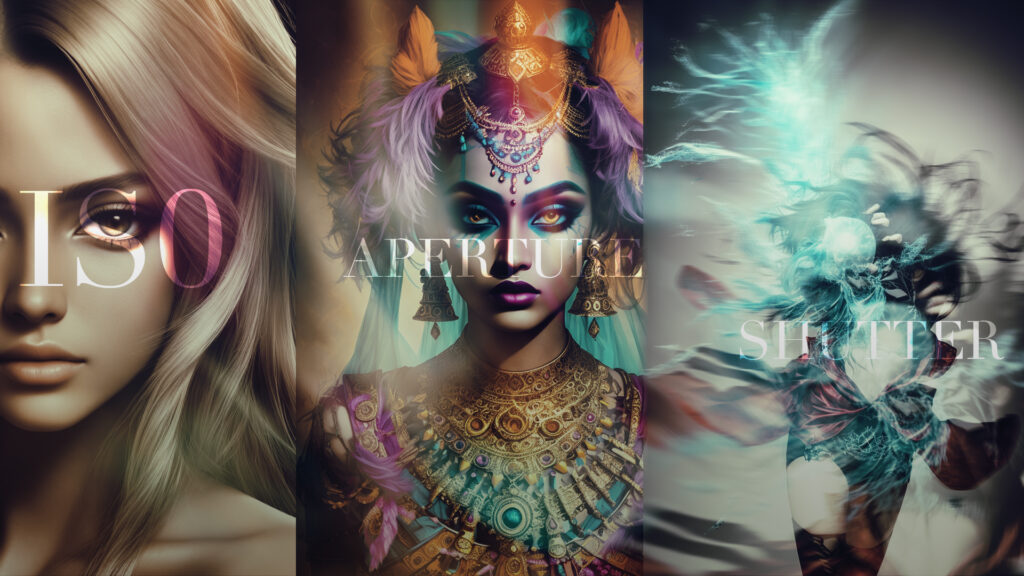
Introduction One of the most effective techniques in fashion photography is still studio flash photography. In contrast to natural light, studio flash gives you complete control over the light’s quality, direction, mood, and power. However, in order to fully utilize it, photographers must become proficient in camera settings that complement studio strobes.In this article, we’ll break down the key camera settings for studio flash photography, explain their practical applications, and share tips to help you shoot sharper, cleaner, and more intentional images in 2025. 1. Shutter Sync Speed Logic with Flash Duration The maximum sync speed of most cameras is typically between 1/160s and 1/250s. Your camera can expose the full sensor to the flash at this shutter speed without creating undesired black bars.Flash duration is much faster (often 1/1000s – 1/10,000s), meaning the flash itself freezes the subject. Therefore, your shutter speed mainly determines how much ambient light mixes with your flash exposure, not how sharp your subject is. 2. Why Flash Duration is More Important than Shutter Speed to Freeze Subject With flash, the opposite is true, contrary to what many photographers believe, which is that faster shutter speeds are necessary to freeze motion. For instance, even if your shutter is set to 1/200s, a jumping model will be frozen if your flash duration is 1/2000s. In a manner that the camera shutter cannot, the brief flash of light serves as the “real shutter,” stopping motion. 3. Shutter Speed and Ambient Light Relation Shutter speed controls how much ambient light (like practical lights, windows, or set lamps) enters your frame. Example: Shooting at 1/200s in a studio with no windows results in pure flash exposure. Shooting at 1/60s in a studio with decorative bulbs allows some warm ambient glow to mix with your flash-lit subject. Smart Tip: Use slower shutter speeds creatively to balance flash with ambient styling elements. 4. Relation of Aperture and Depth of Field with Studio Flash Light Aperture serves two purposes: Example: Shooting at f/8 in fashion ensures the entire outfit stays sharp. Shooting at f/2.8 creates dreamy, selective focus portraits. 5. Aperture Effects on Flash Power Unlike ambient shooting, changing aperture has a direct impact on flash exposure. Example: If your flash is correctly exposed at f/8 and you open to f/4 without adjusting flash power, your image will be 2 stops overexposed. Always balance aperture with flash intensity for consistent results. 6. ISO and Its Effect on Flash & Ambient Light ISO increases the sensor’s sensitivity to ambient light and flash. High ISO is rarely required in studio photography, though. Full dynamic range and clean, noise-free files are guaranteed with a low ISO (such as 100 or 200). 7. ISO Sensitivity in Studio Light (Ideal ISO Example) Example: The best practice is to stick to ISO 100–200 for clean studio results. 8. What is a Light Meter and Why Not to Fully Rely on It The flash is measured by a light meter, which also recommends aperture settings. Although helpful, it ignores creative intention (such as mood, contrast, or priority). For instance, a meter would recommend f/11, but as a fashion photographer, you might prefer f/5.6 for shallow depth of field and softer tones. Instead of using meters as a final rule, use them as a beginning point. 9. Three Ways to Control Light in Studio You can adjust exposure in three main ways: Mastering this triangle gives you full creative control. 10. Importance of Intention and Vision Before Shooting Settings are technical, but your vision is artistic. Before adjusting numbers, ask yourself: The best photographers do not just set exposure, they set mood. Additional Tips for 2025 Studio Photographers Conclusion Technical settings are only one aspect of studio flash photography; another is purposeful light control. You may confidently and precisely shape your photos by knowing how shutter speed, aperture, ISO, and flash duration work together. In particular, fashion photography requires control, inventiveness, and consistency. Remember this the next time you enter the studio: your camera settings are the cornerstone of your creative vision, not just a collection of data.

Camera Settings for Studio Flash Photography Best Tips 2025 Read More »